
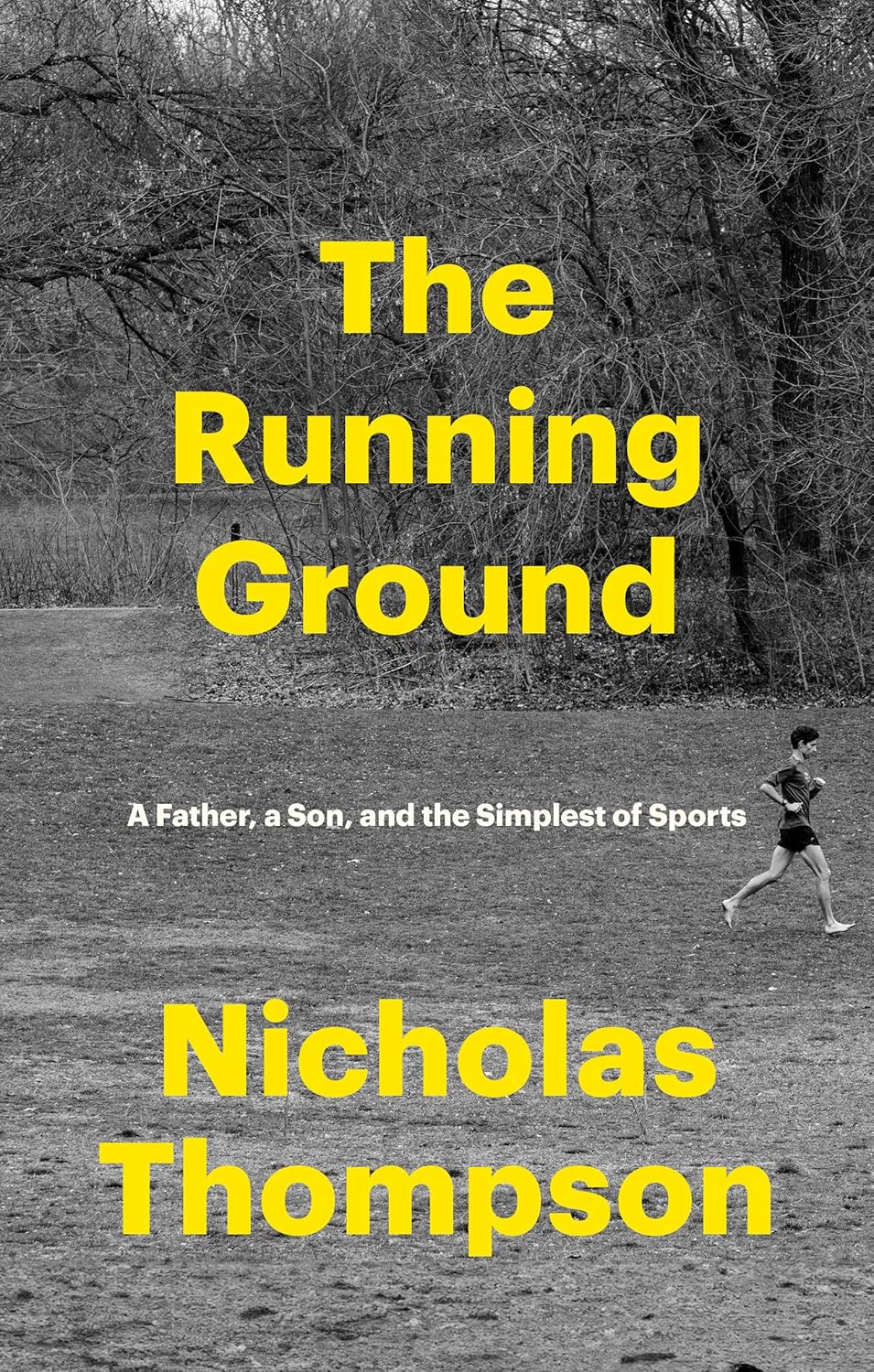
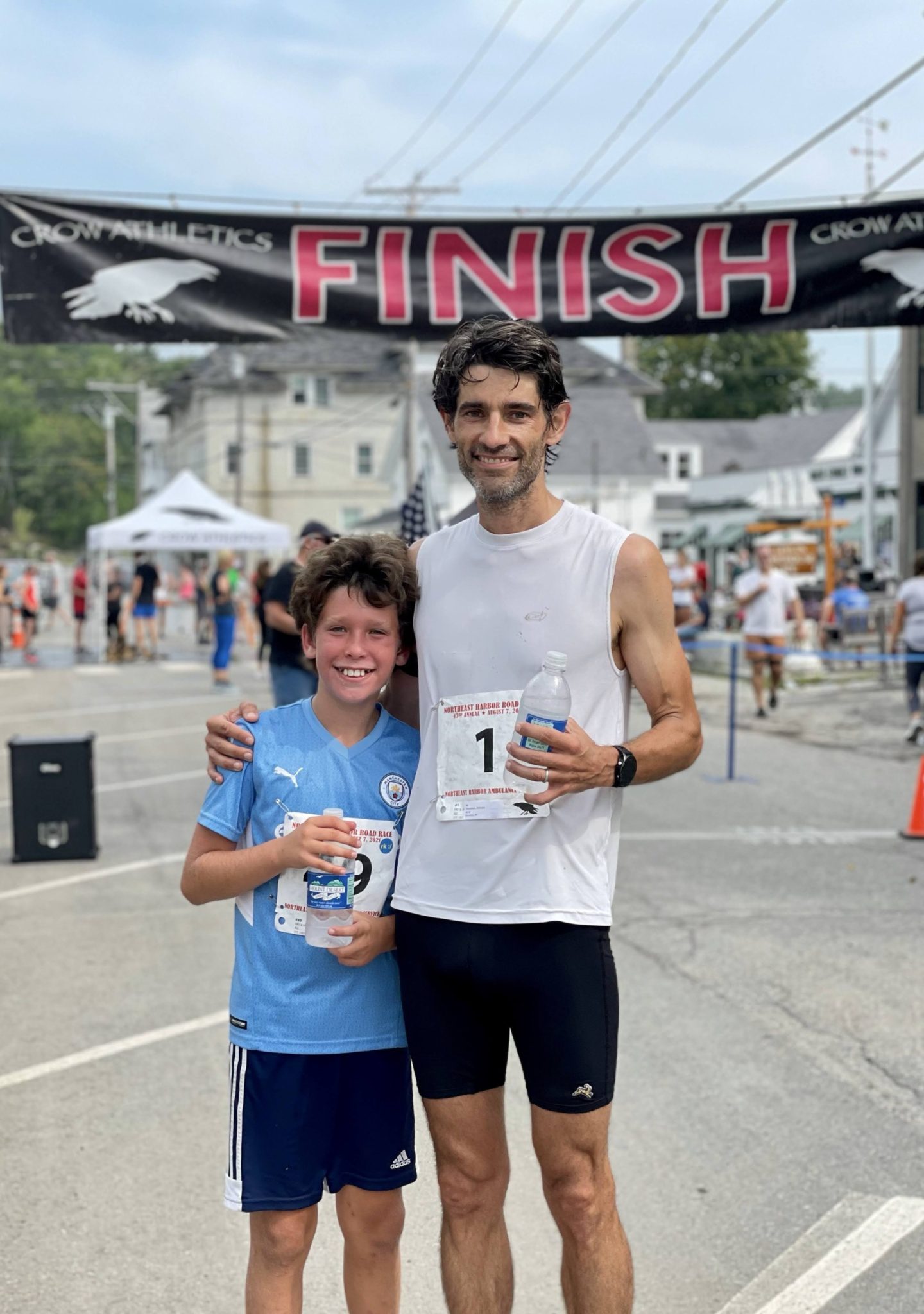
This post is a companion to today’s podcast: These nuggets of advice are from Nick Thompson, the episode’s guest and author of the brand-new memoir titled The Running Ground: A Father, a Son, and the Simplest of Sports. (And, yes, he’s speedy, yet his words hold true for runners of all paces.)
Pain Is Information, Not Truth. Running taught me that pain isn’t what we normally think—it’s actually signals from the brain trying to slow us down for safety. When your knee “hurts” at mile 15 of a marathon, it’s almost certain that nothing is actually wrong. It’s just what’s called the “central governor model,” which is essentially an internal thermostat trying to slow you down. Once you learn to read these protective signals in running or life, you can push past artificial limits.
Intense Running Helps an Intense Job, and Vice Versa. The same mental skills that help you succeed at work help you succeed in endurance sports. The resilience to stay focused during a two-hour Zoom call maps closely to the skill of holding your pace in a marathon. Training in one area strengthens the other.

Non-Negotiable Daily Practice. The fundamental driver of improvement is showing up every day, regardless. You have to run no matter the weather, how you feel, or where you are. This applies to any skill you want to master.
Embrace the Discomfort Zone. To improve, you must regularly operate at an uncomfortable pace—running faster than feels sustainable, setting goals that seem unreachable. Growth lives in that space between comfort and panic.
Discipline Compounds Daily. Every time you make the hard choice, you make it slightly easier next time. Contrary to old research suggesting willpower depletes, discipline actually builds like a muscle with consistent use.
When Scared, Think Bigger. Before my first 50K race, my coach gave me this advice: When you’re intimidated, recall something even more challenging you’ve already survived. Fear shrinks when you zoom out to see your full capabilities.
Performance = Fitness – Fatigue. Peak performance requires maximum preparation plus strategic rest. Whether it’s a race or a big presentation, you need both intense training and recovery to show up at your best.



Absolutely! As a former marathoner, ultra-runner, turned long distance triathlete/open water swimmer I can relate. I rode my bike and ran to work and back home in the 80s and people made fun of me- but was super “chill” and productive when I was there! Once discipline helps the other- also when raising kids- and facing those personal setbacks. Keep up the good work and run as long and as far as your mind and body takes you!